
 Skip to content
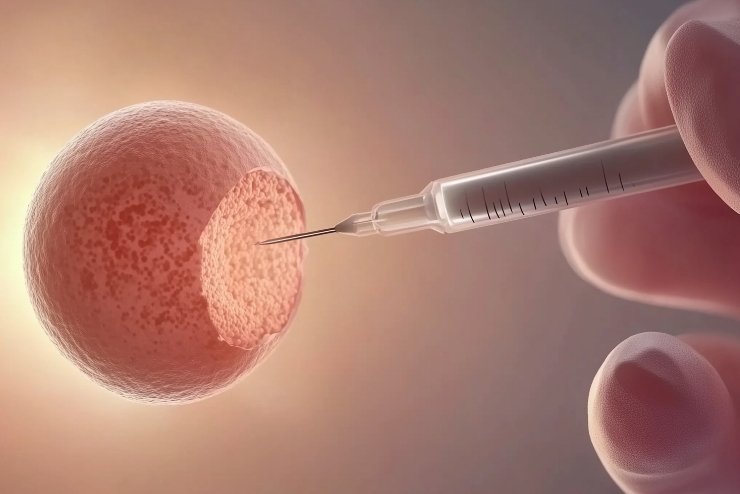
 Intracytoplasmic Sperm Injection (ICSI) is an advanced assisted reproductive technique used to treat severe male infertility and complex fertilization issues. It is a specialized form of IVF in which a single healthy sperm is directly injected into a mature egg in a laboratory setting to achieve fertilization.
ICSI is commonly recommended for couples facing very low sperm count, poor sperm motility, abnormal sperm shape, or previous IVF failures. It is also helpful in cases of blocked sperm ducts, surgically retrieved sperm, or unexplained fertilization problems.
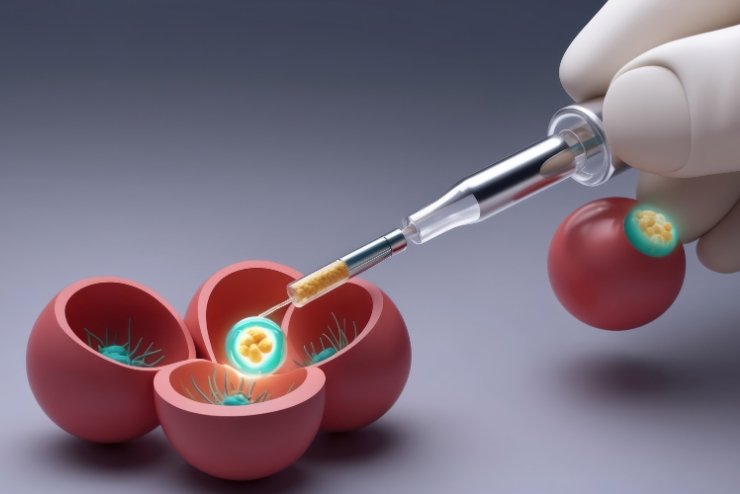
The ICSI process begins with ovarian stimulation and egg retrieval in the woman. On the same day, a semen sample is collected and carefully examined. Under high-powered microscopes, the best-quality sperm is selected and injected into each egg using precise micromanipulation techniques.
Once fertilization occurs, the resulting embryos are closely monitored for healthy development before being transferred into the uterus. ICSI significantly improves fertilization rates and increases the chances of pregnancy, even in challenging infertility cases.
With expert embryology support and personalized care, ICSI offers hope to couples who may not conceive through conventional methods. It is a safe, effective, and widely used treatment that brings many couples closer to their dream of parenthood.
Intracytoplasmic Sperm Injection (ICSI) is a highly advanced fertility treatment used as part of the In Vitro Fertilization (IVF) process. It is especially beneficial for couples facing severe male factor infertility or repeated fertilization failure. In this technique, a single, carefully selected sperm is directly injected into the cytoplasm of a mature egg using advanced micromanipulation technology.
ICSI overcomes many barriers that prevent natural fertilization, such as low sperm count, weak sperm movement, or abnormal sperm shape. It is also recommended in cases where sperm must be surgically retrieved from the testes, in couples with unexplained infertility, or when previous IVF cycles have not resulted in successful fertilization.
The ICSI treatment begins with controlled ovarian stimulation to encourage the development of multiple eggs. Once the eggs are mature, they are retrieved through a minimally invasive procedure. On the same day, a semen sample is collected and processed in the laboratory. Skilled embryologists then select the healthiest sperm and inject it directly into each egg under a high-powered microscope.
Our Unique Services And Pillars




Meet the families whose dreams came true with Naarayani IVF. Every story is a testament to perseverance, care, and the joy of parenthood.
ICSI is an advanced fertility procedure in which a single healthy sperm is directly injected into a mature egg in a laboratory to achieve fertilization. It is performed as part of the IVF process.
ICSI is recommended for couples with very low sperm count, poor sperm motility, abnormal sperm shape, blocked sperm ducts, or those who have experienced failed fertilization in previous IVF cycles.
In conventional IVF, sperm and egg are placed together for natural fertilization. In ICSI, fertilization is assisted by directly injecting one sperm into the egg, making it more effective in male infertility cases.
Yes, ICSI is a safe and widely used procedure. It has been performed successfully for many years, and the risks are minimal when done by experienced fertility specialists and embryologists.
The success of ICSI depends on factors such as the woman’s age, egg quality, embryo development, and overall health. ICSI significantly improves fertilization rates, especially in severe male infertility cases.
 Optimized by Seraphinite Accelerator