Skip to content
Understanding Ovarian Cysts
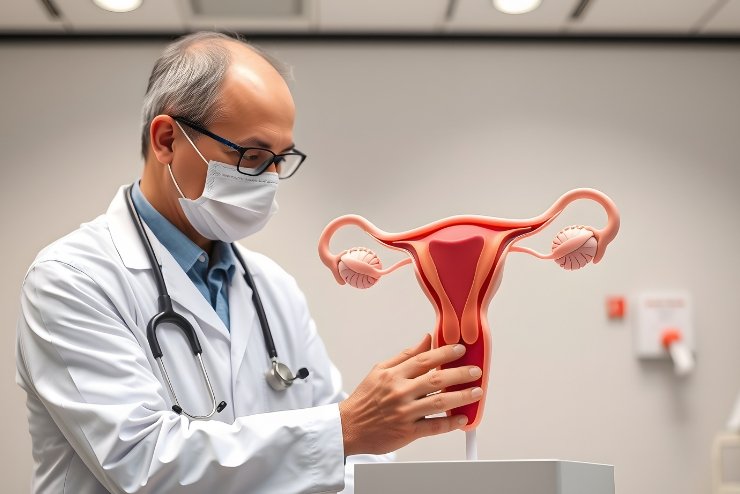
Ovarian cysts are fluid-filled sacs that develop on or inside the ovaries. They are far more common than many women realise. In most cases, these cysts are harmless and resolve on their own without treatment. However, some ovarian cysts may cause pain, menstrual irregularities, or fertility-related concerns. Identifying them early plays a vital role in preventing complications and protecting reproductive health.
At Indira IVF, we support women through accurate diagnosis and personalised treatment strategies. Gaining knowledge about the types, causes, and symptoms of ovarian cysts enables women to take proactive steps toward maintaining reproductive wellbeing with confidence.
Types of Ovarian Cysts
Ovarian cysts are broadly classified into the following types:
- Functional cysts
These include follicular cysts and corpus luteum cysts. They are related to the normal menstrual cycle and usually form during ovulation. Most functional cysts resolve naturally. - Dermoid cysts (Mature cystic teratomas)
These cysts may contain tissues such as hair, skin, or teeth and typically develop from embryonic cells. - Endometriomas
These cysts occur when endometrial tissue grows on the ovaries and are commonly associated with endometriosis. - Cystadenomas
Originating from the ovarian surface, these cysts may be filled with either serous (watery) or mucinous (thicker) fluid. - Polycystic ovaries (PCOS-related cysts)
Women with PCOS often have multiple small follicles that fail to mature and release eggs, resulting in polycystic ovaries.
Causes of Ovarian Cysts
Several factors may contribute to the development of ovarian cysts, including:
- Hormonal imbalances
- Problems with ovulation
- Polycystic Ovary Syndrome (PCOS)
- Endometriosis
- Natural hormonal changes during pregnancy
Symptoms of Ovarian Cysts
Symptoms can vary depending on the type and size of the cyst. Some women may experience no symptoms at all, while others may notice discomfort.
Common Symptoms
- Pelvic or lower abdominal pain
- Bloating or abdominal fullness
- Irregular or painful menstrual cycles
- Pain during sexual intercourse
- Frequent urge to urinate
Severe Symptoms (Require Immediate Medical Attention)
- Sudden, sharp pelvic pain (possible cyst rupture)
- Severe abdominal pain accompanied by nausea or vomiting (possible ovarian torsion)
- Dizziness or fainting
Less Common Symptoms
- Persistent fatigue
- Digestive discomfort
- Breast tenderness
Early recognition of these symptoms allows timely medical intervention and effective treatment.
Risk Factors and Possible Complications
Although most ovarian cysts are benign, complications may occur in certain cases:
- Ovarian torsion, which can cut off blood supply to the ovary
- Cyst rupture, leading to severe pain and internal bleeding
- Fertility challenges, particularly in women with PCOS or endometriosis
- Rare malignancy, especially in postmenopausal women
Awareness of these risks and prompt medical evaluation help prevent serious health concerns and protect future fertility.
Diagnosis of Ovarian Cysts
Accurate diagnosis is essential to determine the nature of the cyst, assess risks, and plan appropriate treatment. Since symptoms may be mild or inconsistent, ovarian cysts are often discovered during routine check-ups.
At Indira IVF, specialists use advanced diagnostic methods combined with clinical evaluation to ensure precise detection and safe management.
Pelvic Examination
A gynaecologist examines the pelvic region to check for swelling, tenderness, or abnormal masses around the ovaries. While smaller or deeper cysts may not be detected, this exam is an important initial assessment.
Ultrasound Imaging
Ultrasound is the most commonly used tool to evaluate ovarian cysts. It provides real-time images that help determine the cyst’s size, structure, and location.
A transvaginal ultrasound, performed using a vaginal probe, offers higher accuracy and is particularly effective in detecting smaller cysts. It is safe, non-invasive, and widely used in reproductive care.
Blood Tests
In selected cases, blood tests such as CA-125 may be recommended to rule out potential malignancy. Hormonal tests can also help assess ovarian function and identify underlying conditions like PCOS.
Laparoscopy
For persistent, complex, or symptomatic cysts, laparoscopy may be advised. This minimally invasive surgical procedure allows doctors to view the ovaries directly and remove cysts or take tissue samples if necessary.
Laparoscopy is both diagnostic and therapeutic, offering faster recovery and reduced surgical risk compared to open surgery. It is particularly useful when imaging results are unclear or complications such as torsion are suspected.
Comprehensive Care for Ovarian Cysts
By combining clinical evaluation with advanced diagnostic techniques, doctors can accurately identify ovarian cysts, assess potential complications, and design a personalised treatment plan. Early diagnosis not only relieves symptoms but also helps preserve reproductive health—especially important for women planning pregnancy or undergoing fertility treatments such as IVF.